Moores Marvellous Sculptures
Henry Moore was one of the most significant British artists of his generation. He is typically known for his large scale, public sculpture works (most famously the UNESCO headquarters and Dallas City Hall)
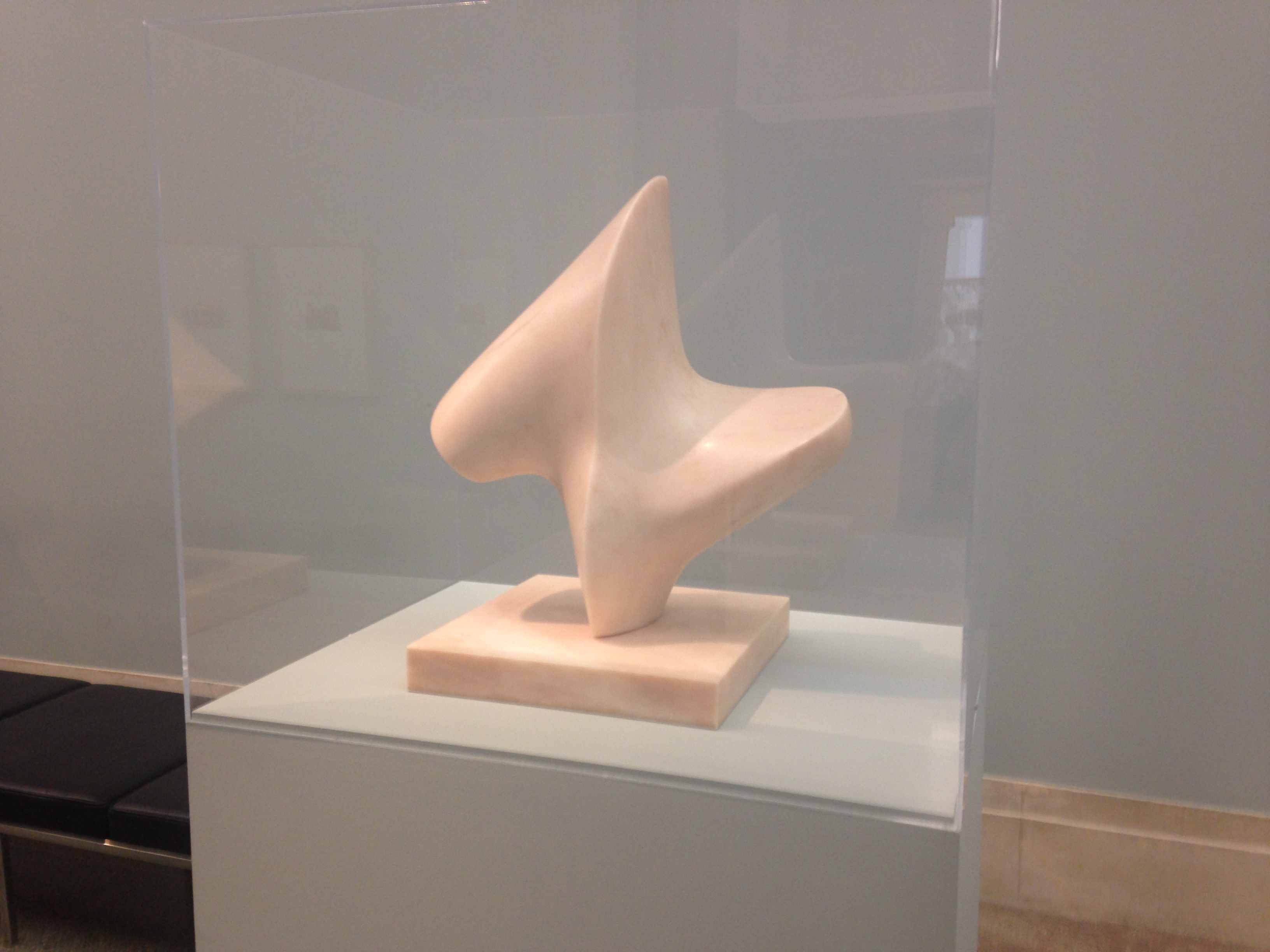
Moore’s work is consistently associated with landscape and nature. He saw the countryside as the best setting for his sculptures and his forms often derive their shapes from natural objects like stones.
The exhibition is displayed throughout a series of rooms showcasing some of his smaller pieces along with some of his more remarkable sculptures.
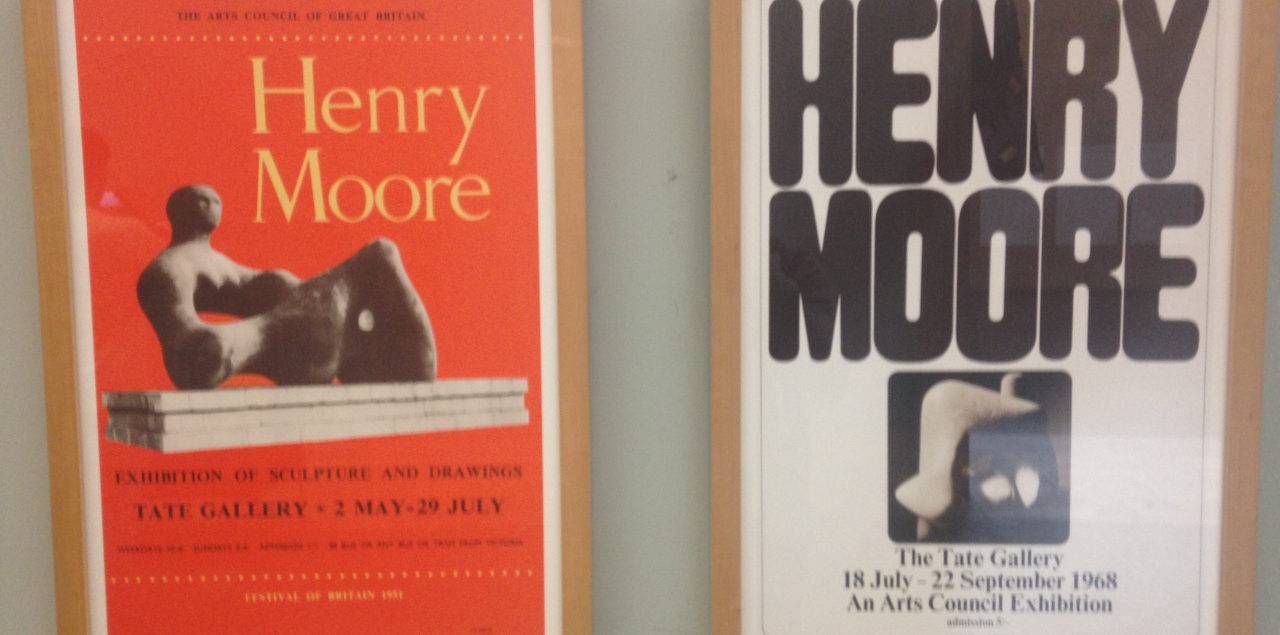
What makes this particular exhibition fascinating is that in 1938 the Director of the Tate Gallery famously said “Over my body will Henry Moore ever enter the Tate”. 70 years later, here we are and Moore has 4 whole rooms filled with his work.
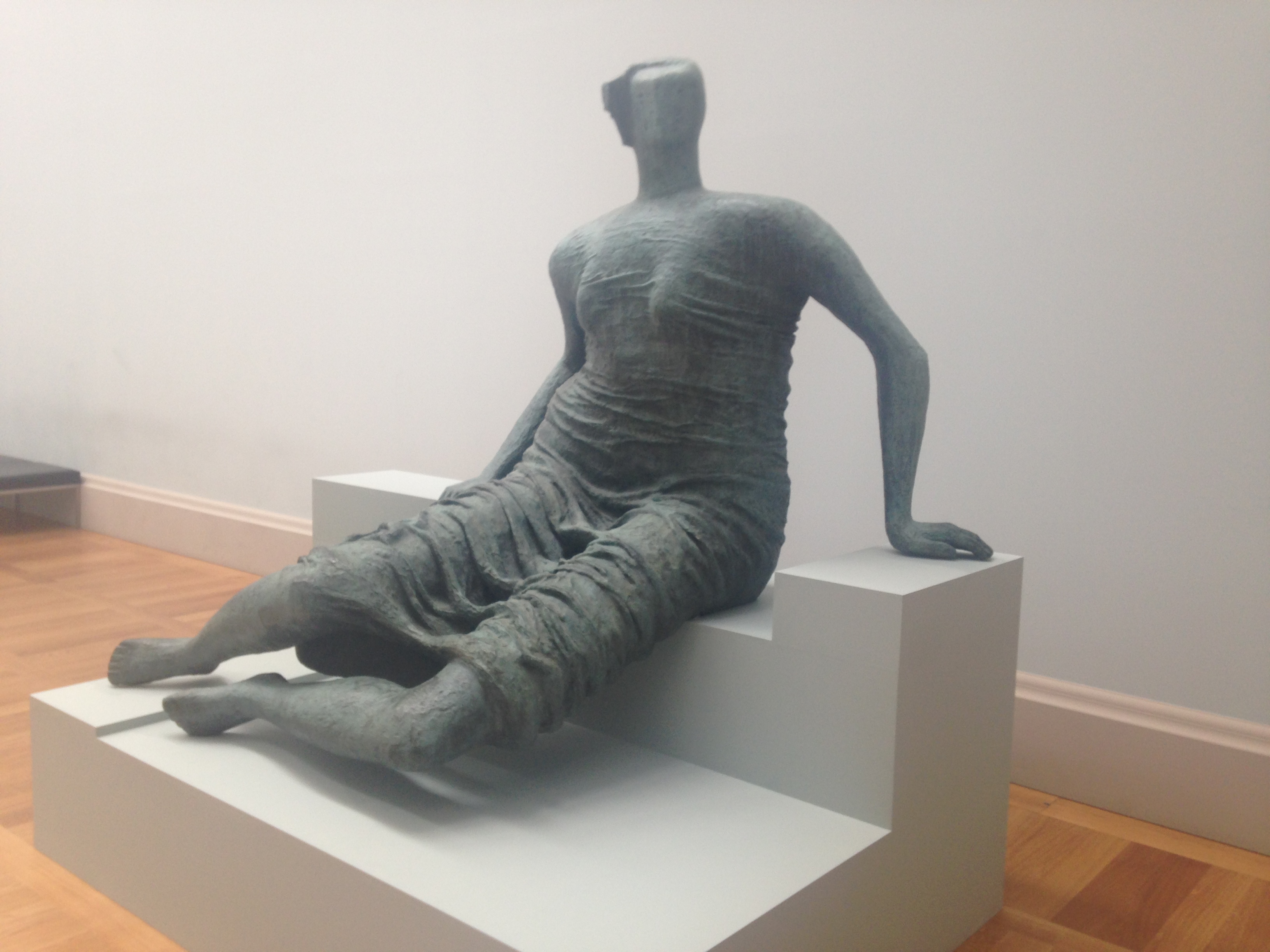
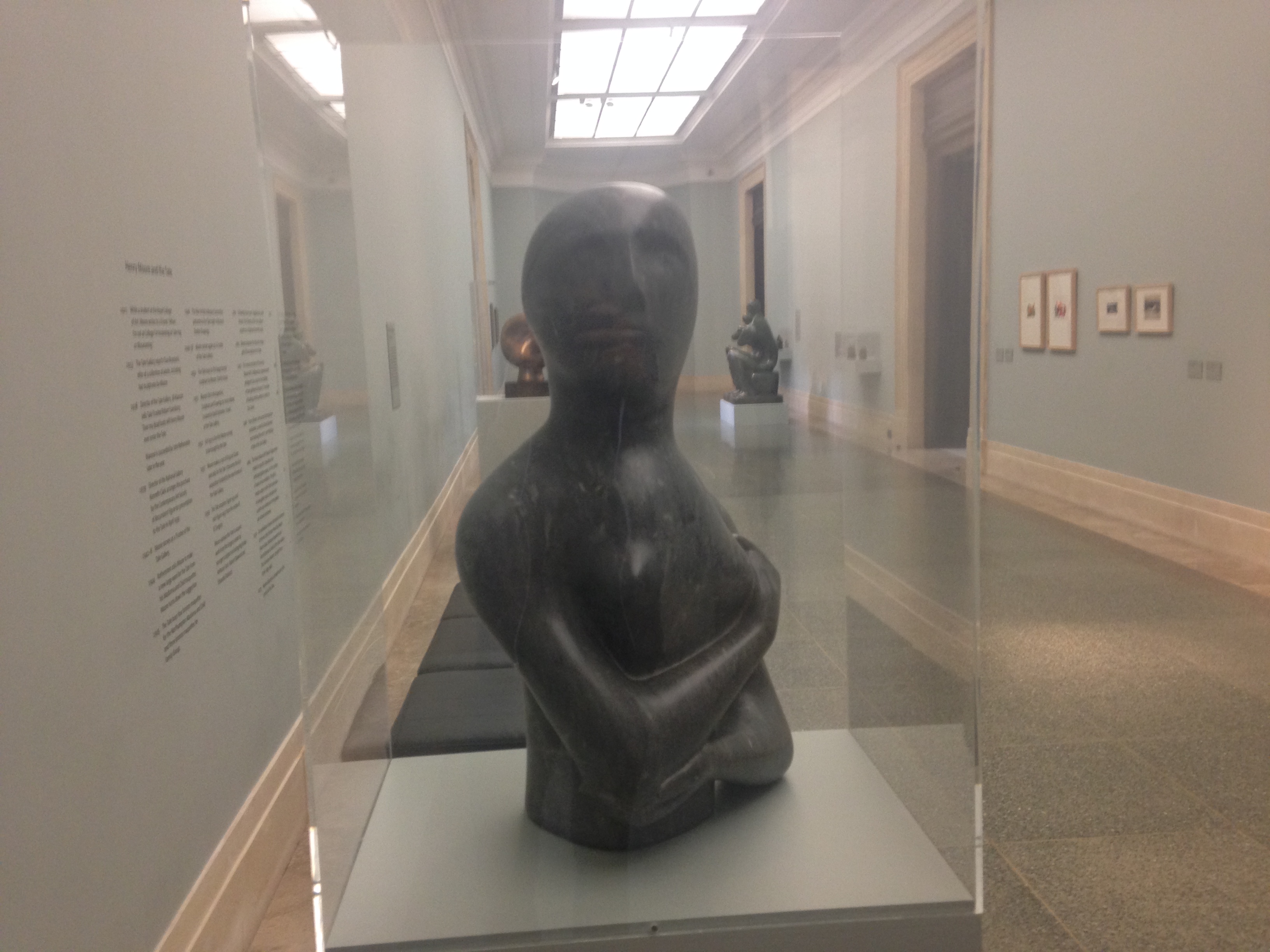
Each room was well lit from skylights or other natural sources, showering the entire gallery. The walls were painted in dull pastel colours, so as to bring out the sculptures true shape and form, whilst also taking into account the natural feelings and colours of being outside (where Moore would have wanted them displayed).
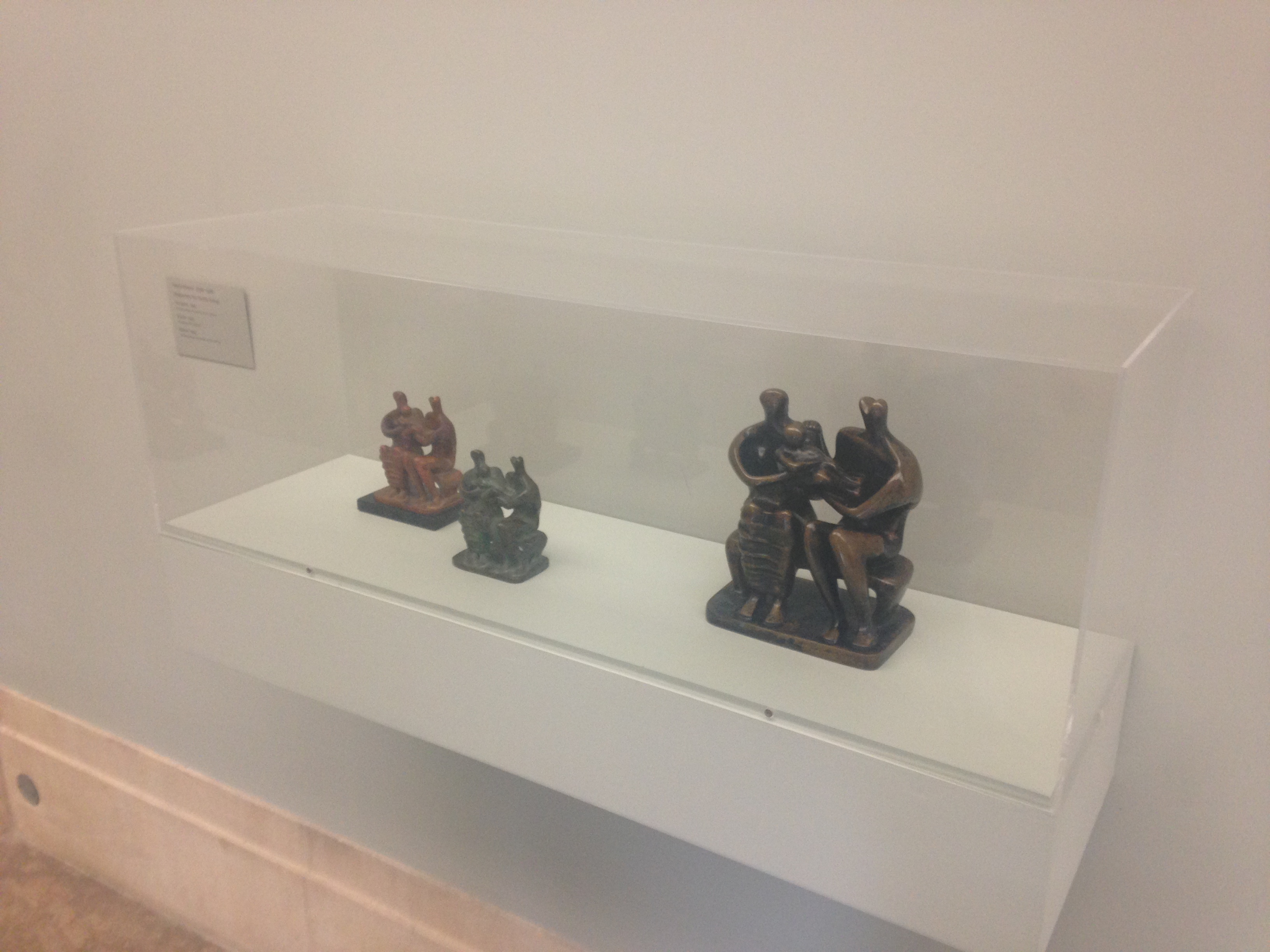
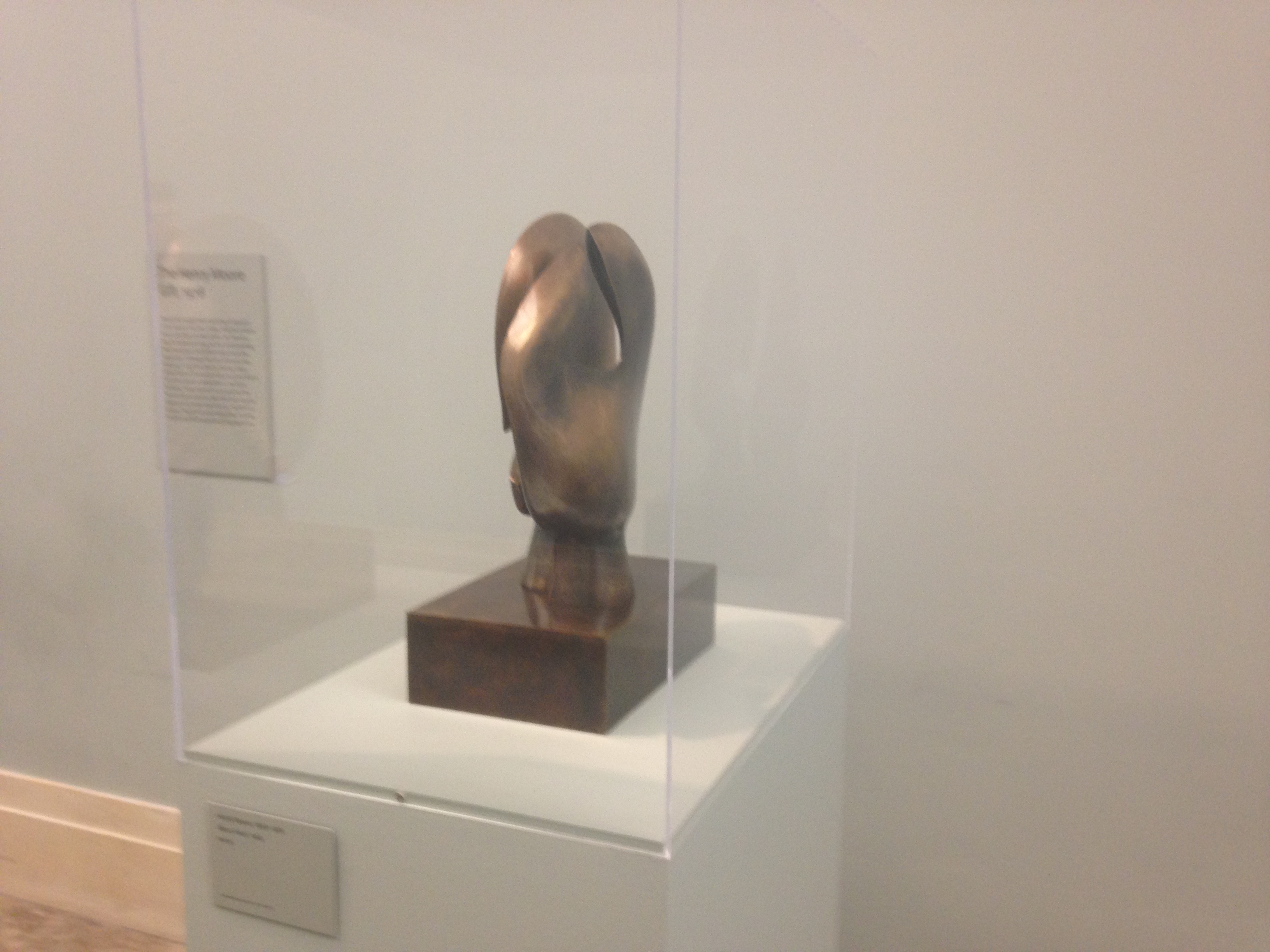
All of the pieces were placed on platforms or showcased in glass boxes, so you could move about the room looking at each piece in its own space. For that reason the exhibition had a calm, less frantic feeling to it.
Most of the work was familiar and has previously been exhibited at the Tate before, but not in a collection this large and normally not with the relevant, similar other works to accompany them.
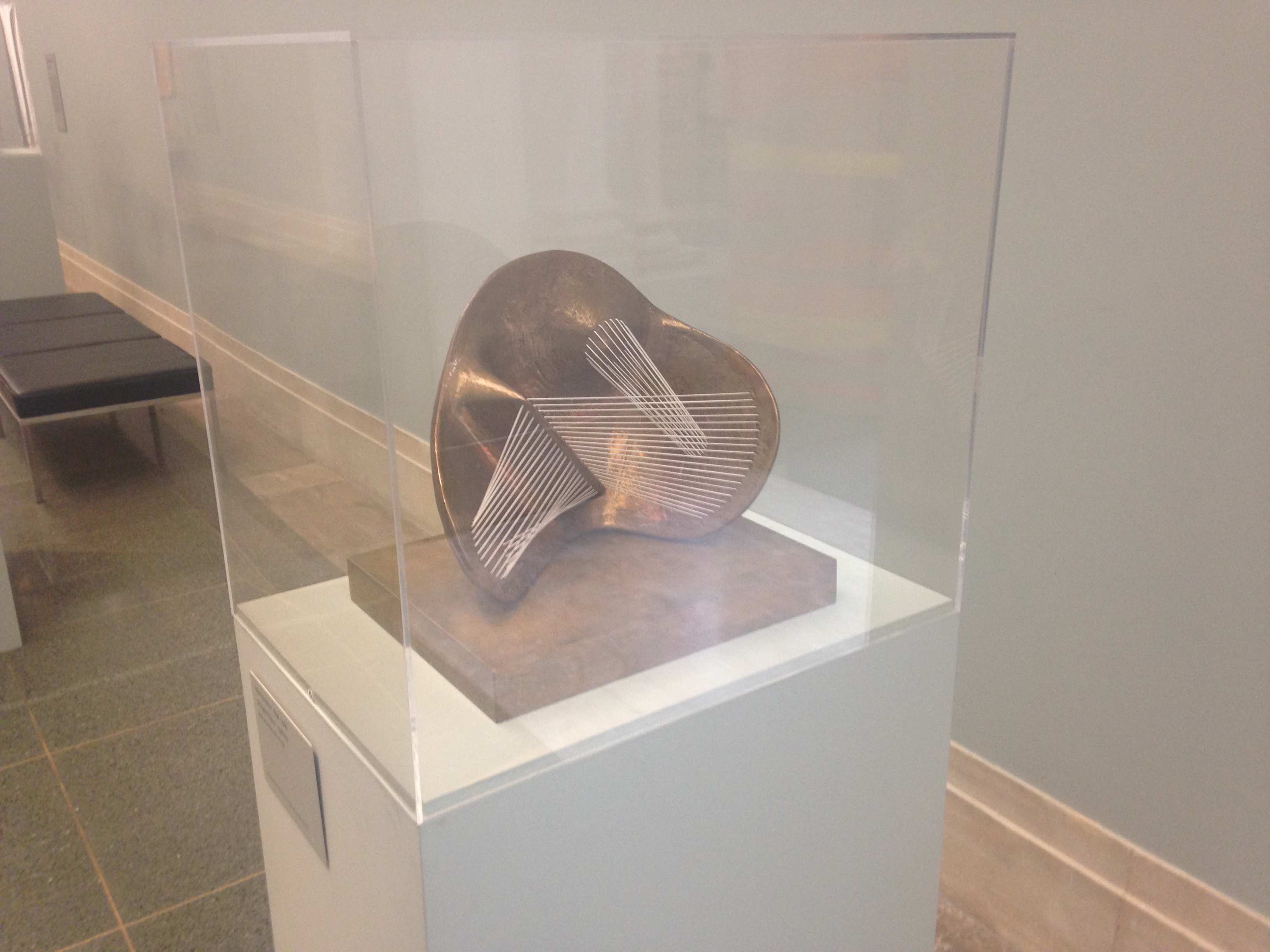
Most of the work involved excruciatingly accurate carving (especially for some of the smaller pieces where the level of detail was insane) and when finished in either stone or bronze it made the general quality of the work seem remarkable. A personal favourite was a bronze shape that had elastic wire sewn through it, almost like a miniature harp that looked like it would have taken patience to make.
For someone who is perhaps not a fan of simplified sculptures or some of Moore’s other work, then the exhibition may not reach out to you. Most of the pieces on display are of the same theme or style, with some of them looking strikingly similar to others, so a lack of diversity could perhaps be noted as a weakness.
Overall though the exhibition was very interesting and all of the pieces on show were remarkable bits of artwork. It was well laid out and each room displayed the artwork as close to as how Moore would have wanted it presented.